
Share this
by Tiffany Gutierrez on Sep 10, 2026
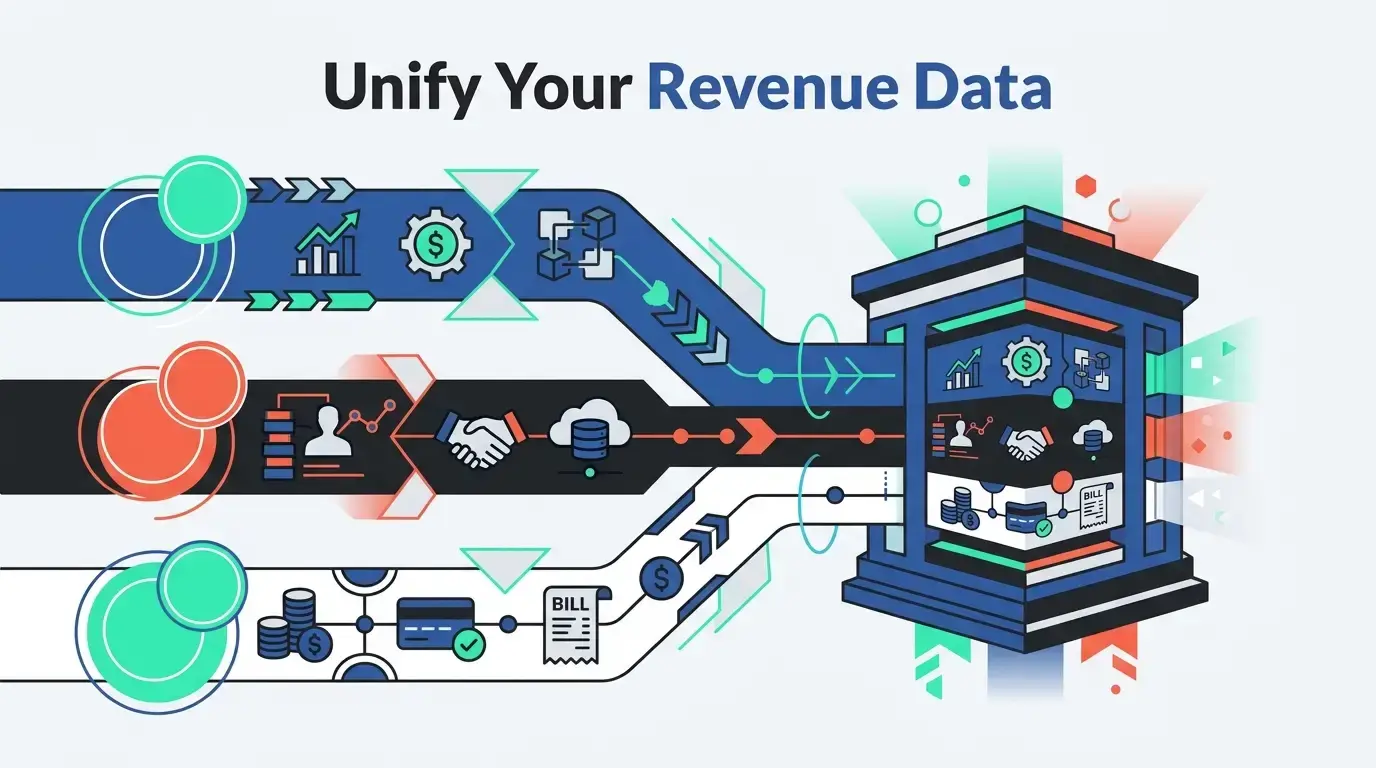
Your dashboards can all be "correct" and still disagree with each other.
That's not a data problem. That's a plumbing problem.
If marketing, sales, and finance each trust a different number for the same deal, no amount of dashboard polish fixes that. This guide walks through the seven signs that your systems have quietly split into separate, conflicting versions of the truth, and what that's actually costing you in pipeline credibility.
This falls squarely into one category: HubSpot RevOps consulting, specifically the systems-and-data-architecture side of it, not campaign execution or paid media management. That distinction matters because a lot of agencies that call themselves "RevOps" are really just HubSpot admin support with a new label.
The HubSpot RevOps Agency Category, Explained Plainly
A HubSpot RevOps agency does one job: make marketing, sales, and customer service data in HubSpot tell one consistent story, then keep it that way as the business changes.
That's different from a marketing agency that happens to use HubSpot for campaigns. It's also different from a HubSpot onboarding partner that sets up your portal once and leaves.
RevOps work is ongoing systems architecture. It touches lifecycle stages, lead routing, attribution logic, and the handoffs between teams that most vendors never look at because it's not billable in a campaign retainer.
Here's why that distinction matters to you specifically: if you've been burned by an agency that reported great click-through rates while your sales team complained about lead quality, you didn't hire the wrong marketer. You hired the wrong category of vendor for the problem you actually had.
Now let's get into the signs that you're in that situation.
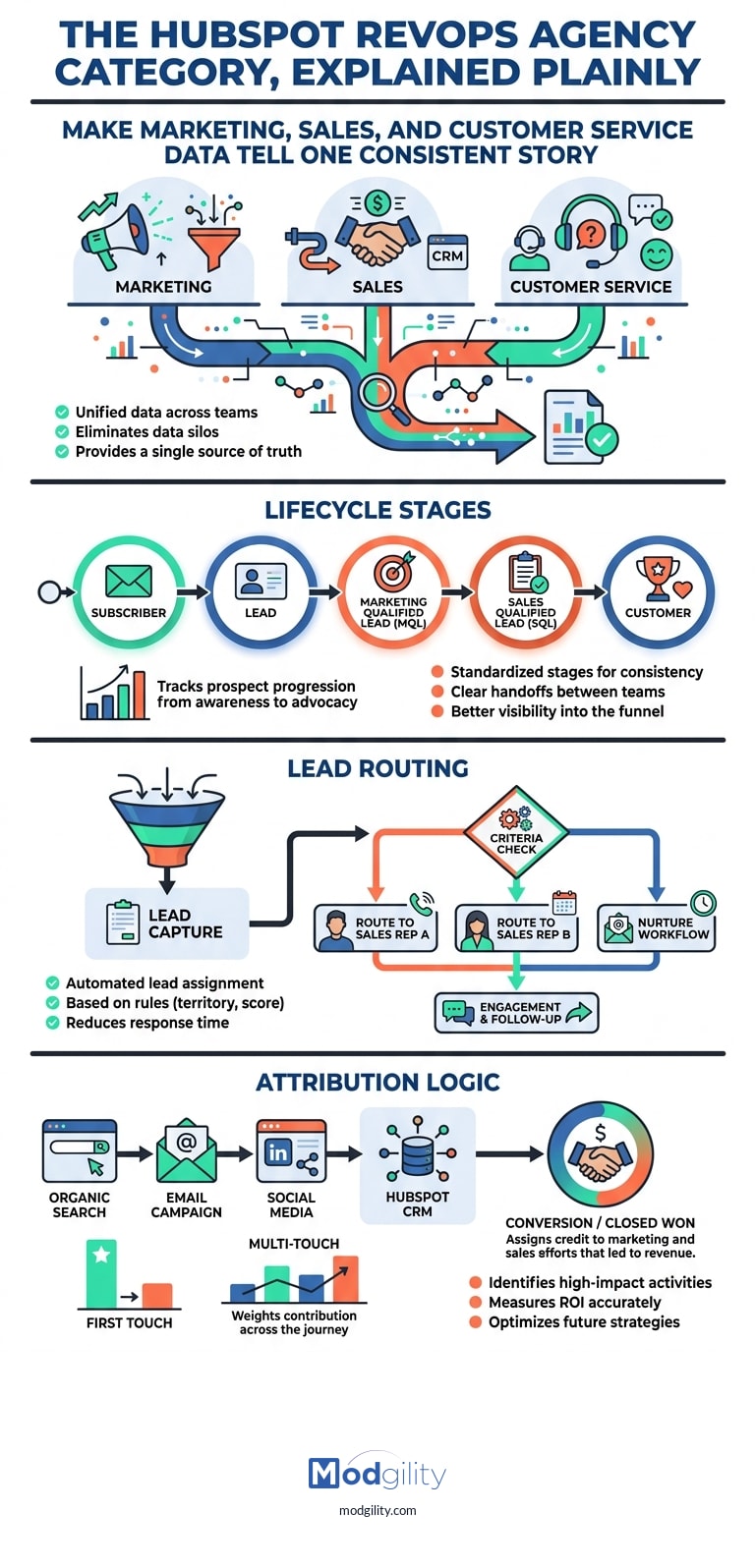
A standard HubSpot implementation activates basic software features. A Modgility RevOps engagement dismantles organizational data silos to build a unified, high-velocity revenue engine, embedding HubSpot Service Hub as the foundational core of every engagement so marketing lead capture, sales pipeline velocity, and post-sale service delivery connect in a single closed loop. Keith Gutierrez, VP Revenue Operations, Modgility
Sign 1: Marketing, Sales, and Finance Each Have a Different Pipeline Number
You ask for last quarter's pipeline value in a Tuesday morning meeting. Marketing says one number. Sales operations says another. Finance, working off closed-won exports, says a third.
Nobody is lying. They're each pulling from a report built on different filters, different date ranges, or different definitions of what counts as "in pipeline."
This is the clearest symptom of a missing unified reporting system, and it's the one that shows up first in front of leadership.
Here's why that matters to you: when the CFO catches a discrepancy in a board deck, the credibility hit doesn't land on the analyst who pulled the wrong report. It lands on marketing leadership, because marketing is expected to own the top of the funnel narrative.
The cost of ignoring this isn't just an awkward meeting. It's a slow erosion of trust that eventually shows up as budget cuts, because a CFO who can't rely on your numbers will fund initiatives they can measure themselves instead.
Sign 2: Sales Rejects Leads Marketing Swears Are Qualified
Marketing hits its MQL target every month. Sales calls half of them garbage.
So what went wrong? Usually, the lifecycle stage definitions in HubSpot were built once, years ago, by whoever was in the room at the time, and nobody has touched them since your ideal customer profile shifted twice.
A lead that qualifies against a stale scoring model isn't actually qualified. It just matches criteria nobody bothered to update.
Think about it this way: if sales and marketing can't agree on what a qualified lead even looks like, no attribution report or dashboard is going to fix the underlying disagreement. You'll just get two teams pointing at the same broken number and blaming each other.
This is also where the trust damage compounds. Once sales stops believing marketing's qualification criteria, they stop working leads with the urgency you need to hit pipeline targets. The lead volume was never the problem. The definition was.
Sign 3: You Can't Trace a Closed-Won Deal Back to Its First Touch
Somebody in the executive team asks which channel actually drove your biggest deal last quarter.
You go looking. The deal record shows the original source as "direct traffic," which really just means HubSpot lost the trail somewhere between the first form fill and the eventual sale.
That gap usually isn't one dramatic failure. It's death by a thousand small ones: a UTM parameter that got stripped, a contact that got merged and lost its original source property, a marketing event that never synced back to the deal record at all.
Here's why that matters to you: without a reliable trail from first touch to closed-won, every conversation with your CRO becomes a debate about instinct instead of a conversation about evidence. And instinct-based budget conversations tend to favor whichever channel has the loudest internal advocate, not the one that's actually working.
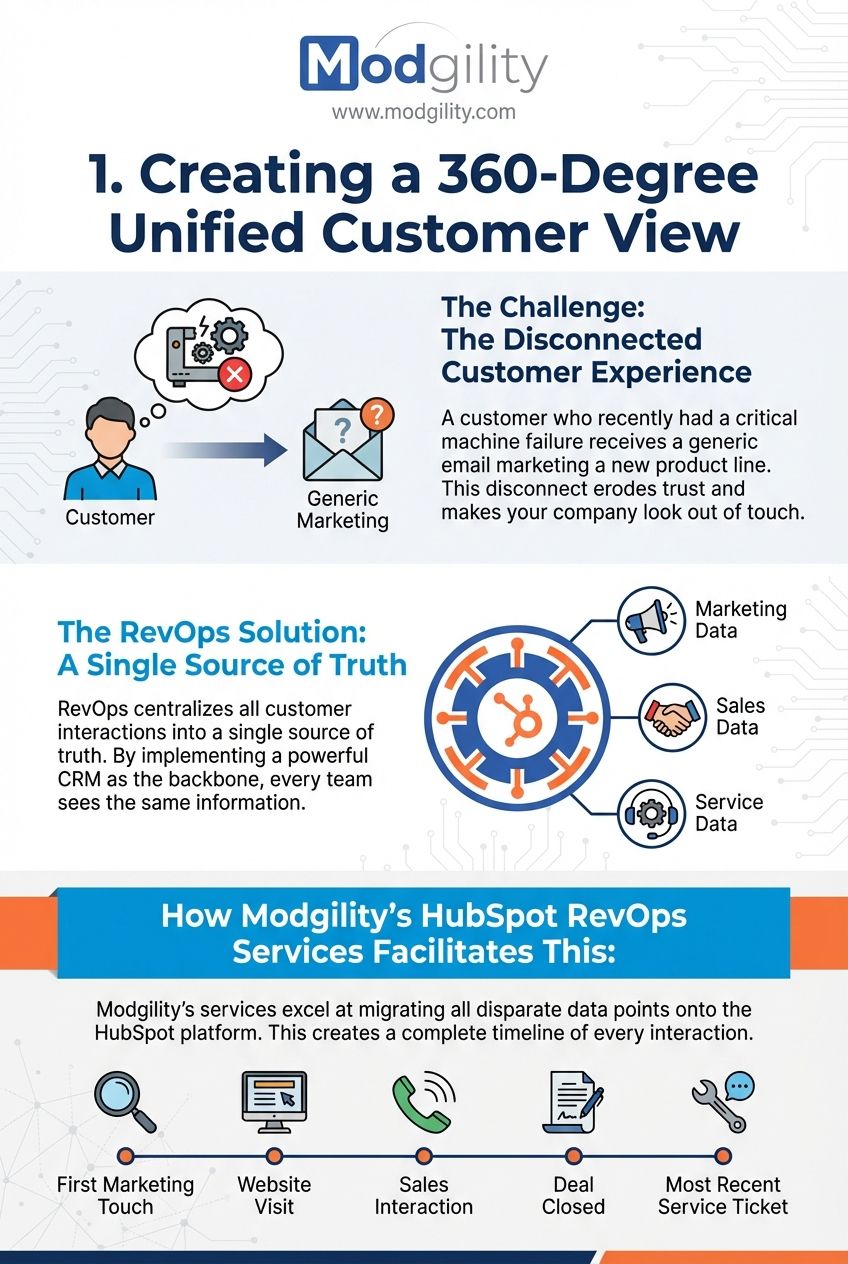
Sign 4: Your Service Team's Data Never Makes It Back Into Marketing or Sales
Customer service tickets, resolution times, and satisfaction scores sit in their own corner of HubSpot, disconnected from everything upstream.
Meanwhile marketing keeps running acquisition campaigns as if every customer segment converts and retains the same way.
But some of your best acquisition signal is sitting in service data you're not using. A product line with high ticket volume and low satisfaction scores is a leading indicator that leads matching that profile are going to churn faster, no matter how well marketing nurtures them into the pipeline.
If your acquisition strategy can't see retention risk before it happens, you end up optimizing hard for deals that are statistically likely to churn within a year. That's CAC spent to backfill revenue you're going to lose anyway.
Connecting Service Hub data back into your acquisition funnel isn't a nice-to-have reporting layer. It's the difference between a marketing strategy that's actually revenue-aware and one that's flying blind on retention.
Sign 5: Every New Report Requires a Custom Build From Someone Who "Knows the System"
You need a specific view of pipeline by segment for a board update. There's exactly one person who can build it, and they're out sick.
That's not a staffing gap. That's a sign your HubSpot instance was never built with governance in mind, just individual workarounds stacked on top of each other over time.
When your reporting depends on institutional memory instead of clean, documented data architecture, you don't have a system. You have a person.
And the best part about fixing this? Once properties, pipelines, and reporting logic are documented and standardized, new hires can build accurate reports in their first week instead of needing six months to learn where all the workarounds are buried.
The cost of not fixing it compounds quietly. Every new hire ramps slower. Every departure risks losing reporting capability entirely. And every urgent request from leadership turns into a fire drill instead of a five-minute pull.
Sign 6: Your Tech Stack Has More Integrations Than Anyone Can Explain
Somewhere along the way, your team connected a lead enrichment tool, a chat widget, two marketing automation add-ons, and a customer data platform, all feeding into HubSpot from different directions.
Nobody currently at the company built all of them. Nobody currently at the company fully understands all of them either.
So what happens when one of those integrations breaks? Usually nothing visible right away. Data just quietly stops syncing, or starts syncing wrong, and you don't notice for weeks because nothing threw an obvious error.
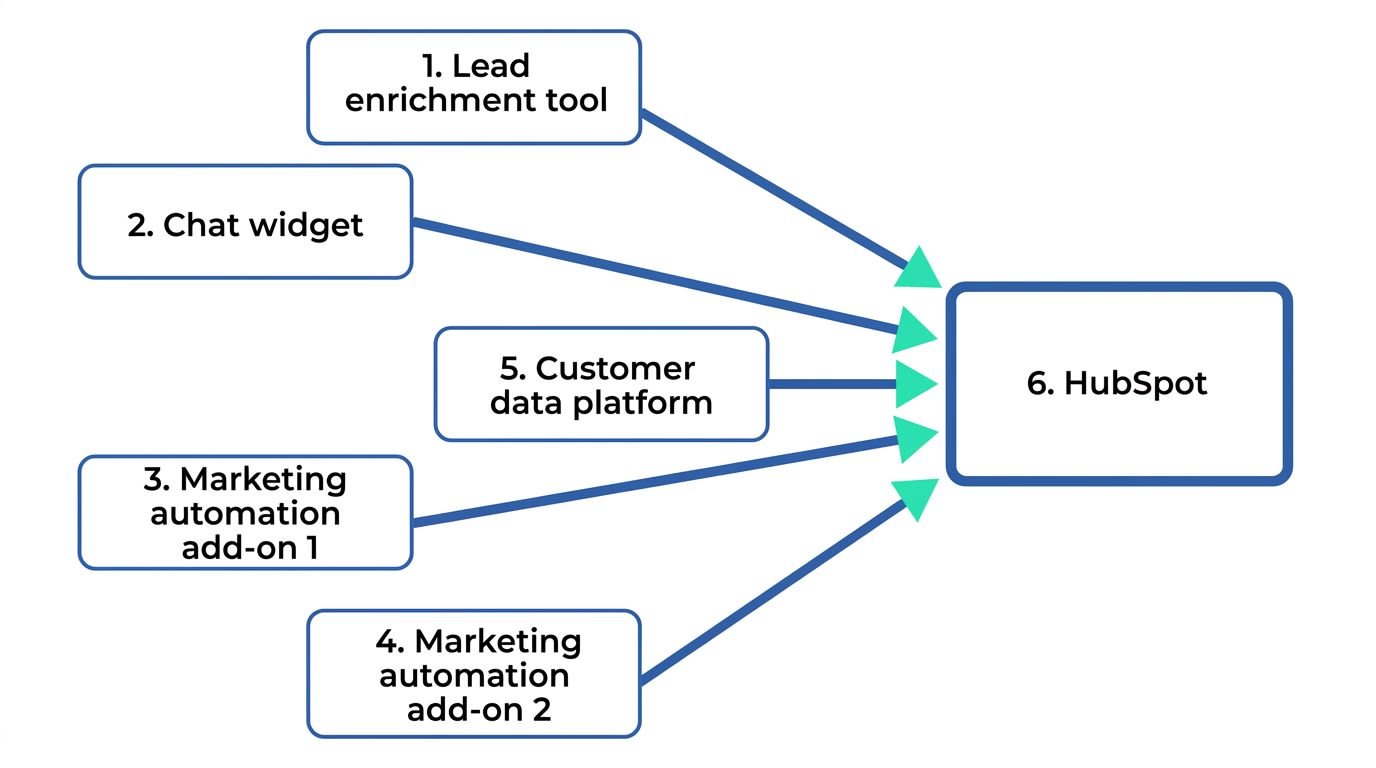
Here's the thing: fragmented integrations aren't a technology problem so much as an accountability problem. When five tools touch the same contact record and something looks off, there's no clear owner to diagnose it, so it sits broken until someone stumbles onto the discrepancy in a report.
That's exactly the kind of silo that prevents you from establishing one trustworthy source of record across the revenue team.
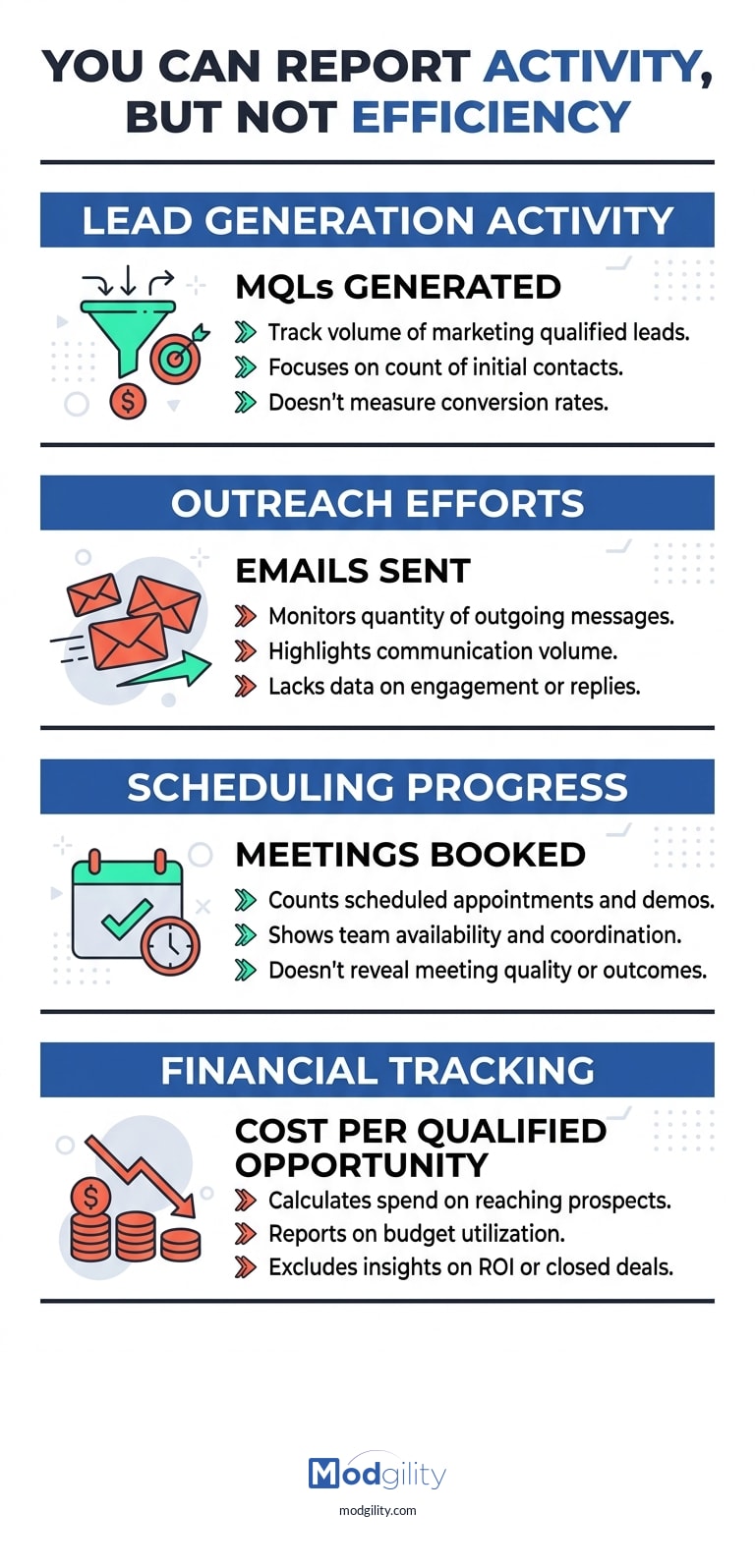
Sign 7: You Can Report Activity, But Not Efficiency
You can tell your CFO how many MQLs you generated, how many emails you sent, how many meetings got booked.
Ask them to translate that into cost per qualified opportunity, or pipeline velocity by segment, and the conversation stalls.
That gap is the clearest sign that your reporting was built to show effort, not efficiency. Activity metrics are easy to produce because HubSpot generates them automatically. Efficiency metrics require someone to have deliberately connected cost data, stage duration, and conversion rates into a single model.
Here's why that matters to you: a CFO evaluating marketing spend doesn't care how busy the team was. They care whether a dollar spent on acquisition turns into reliable, efficient revenue faster than it did last quarter.
If you can't answer that question in your own portal without pulling data into three spreadsheets first, that's not a reporting inconvenience. That's a credibility gap that shows up every time budget season comes around.
Why These Signs Show Up Together, Not Alone
Notice that none of these seven signs are isolated. A team that can't trace attribution usually also can't report efficiency. A team with conflicting pipeline numbers usually also has lifecycle stage disagreements between sales and marketing.
That's because they all come from the same root cause: data living in silos that were never architected to talk to each other consistently.
A HubSpot RevOps agency exists specifically to fix that root cause, not to patch each symptom individually. Patching symptoms one at a time (a new dashboard here, a manual reconciliation process there) buys you a few months of relief before the next silo forms.
Fixing the underlying architecture is slower up front. It's also the only version of the fix that survives your next org change, tool addition, or headcount shift.
What This Costs You If You Wait
None of these seven signs are catastrophic on their own in any single week. That's exactly why they get ignored.
But here's where it gets interesting: the cost isn't a single dramatic failure. It's a slow tax on every decision that depends on trustworthy data.
Budget conversations take longer because nobody trusts the starting numbers. Sales and marketing alignment meetings turn into arguments about whose report is right instead of what to do next. New hires take longer to ramp because there's no documented system, just tribal knowledge.
And the biggest cost of all: you lose the ability to make a confident case for more budget, because you can't prove efficiency, only activity.

What Good Actually Looks Like Once This Gets Fixed
Worth being specific about the other side of this, because "unified reporting" gets thrown around so often it's lost meaning.
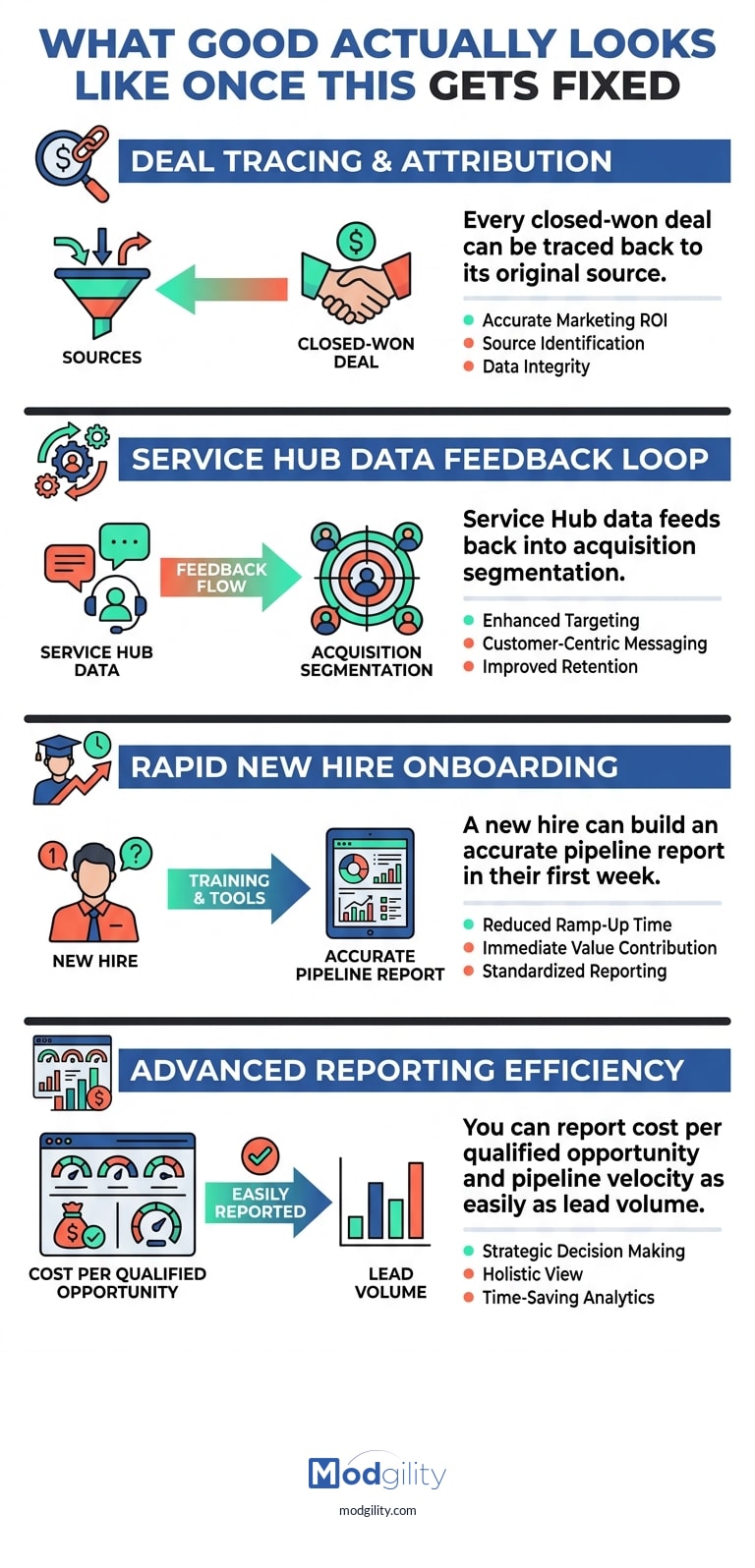
In practice, a fixed system looks like this: marketing, sales, and finance pull the same pipeline number without reconciling first. Lifecycle stage definitions are documented, reviewed on a set cadence, and both sales and marketing agree to them.
- Every closed-won deal can be traced back to its original source, even months later
- Service Hub data (ticket volume, resolution time, satisfaction scores) feeds back into how you segment and prioritize acquisition targets
- A new hire can build an accurate pipeline report in their first week using documented properties and pipelines
- You can report cost per qualified opportunity and pipeline velocity as easily as you can report lead volume
None of that requires more headcount or more tools. It requires the existing tools to be architected correctly, and maintained that way as the business changes.
One Clarification Before You Go Looking for Help
It's worth separating two categories clearly, because they get pitched interchangeably: a HubSpot RevOps agency fixes the underlying system architecture and data governance. A campaign or demand generation agency runs the marketing programs that use that system.
You often need both. But hiring a demand gen agency to fix a conflicting data problem is like hiring a driver to fix the engine. They can get more miles out of a broken car for a while. They can't fix what's actually wrong under the hood.
Check Your Own Portal Before You Make Any Decisions
Before you talk to anyone about fixing this, spend fifteen minutes in your own HubSpot instance.
Go to Reports and pull the same pipeline value two different ways, once from a deal-based report and once from a contact-based report filtered to the same date range. If the numbers don't match, you've confirmed sign one yourself.
Go to Settings > Properties > Contact Properties and check when your lifecycle stage definitions were last edited. If it's been over a year and your ideal customer profile has changed since then, that's sign two.
Pull up your five most recently closed-won deals and check the original source property on each one. If more than one shows "direct traffic" or "offline sources" with no clear explanation, that's sign three.
Go to Service > Tickets and check whether ticket data is filterable by product line or customer segment. If it isn't connected to anything upstream, that's sign four confirmed.
Ask one person on your team to build a cost-per-qualified-opportunity report without exporting anything to Excel first. If they can't, you've confirmed sign seven.
Whichever of these you confirm, that's where your next conversation about fixing the system should start.
No Comments Yet
Let us know what you think